Texas rabies law: what every RGV dog owner needs to know
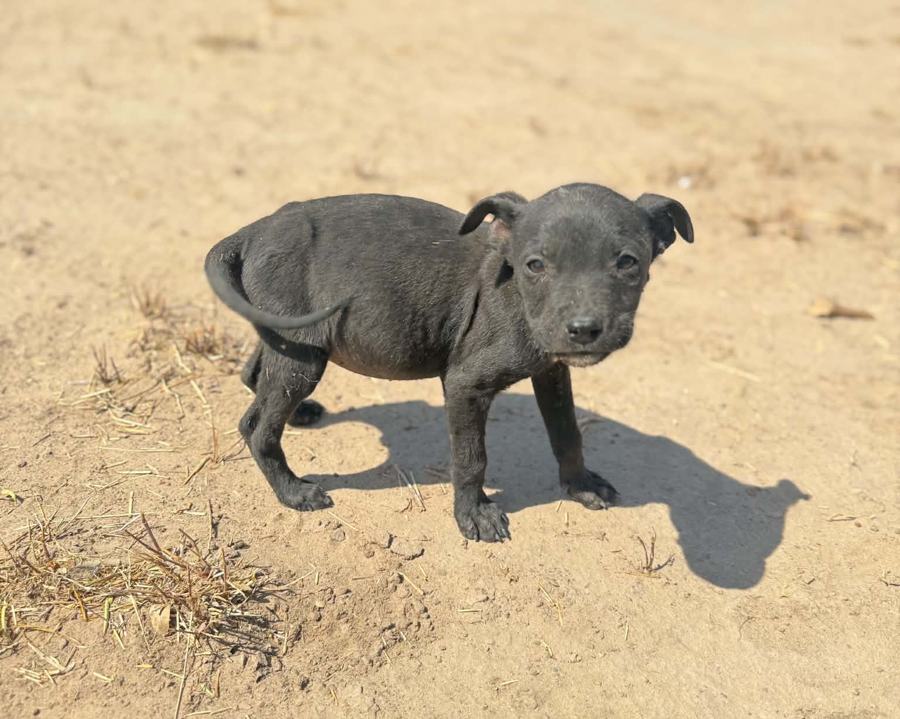
Texas has a rabies law for every dog and cat, and it applies here in Brownsville and across the Rio Grande Valley. If you just adopted a puppy, took in a stray, or aren't sure when your dog's last shot was, here's what the law says, in plain words.
1. Every dog needs a rabies shot by 16 weeks old
Under the Texas Administrative Code (25 TAC §169.29), the person who keeps a dog or cat must have it vaccinated against rabies by 16 weeks of age. The state's Health and Safety Code (Chapter 826) puts it as "by the time the animal is four months of age."
- The shot has to be given by a veterinarian, or under a vet's direct supervision
- It must be a USDA-licensed rabies vaccine
- According to the Texas Department of State Health Services (DSHS), there are no exemptions for dogs and cats, not even for medical reasons or antibody (titer) tests
2. Then you keep up with boosters
After the first shot, your dog needs boosters on a schedule. DSHS explains that the schedule depends on the vaccine your vet used:
- Some vaccines are labeled for one year, others for three years
- With a three-year vaccine, the usual pattern is a booster one year after the first shot, then every three years
- Your city or county can require shots more often than the state, but not less often
- Your vet can choose a shorter interval, but never longer than the vaccine label allows
Behind on boosters? DSHS says a previously vaccinated dog that is overdue counts as current again once it gets a new dose.
3. Keep the certificate
Your vet must give you an official rabies certificate. It lists your dog's description, the vaccine used, the date, and when the next shot is due. Texas rules say you have to keep it until the next booster and show it if animal control, a health official, or a peace officer asks as part of their job.
Tip: snap a photo of the certificate and keep it on your phone. If your dog ever gets lost, it also helps prove the dog is yours.
4. Your city may need a license too
State law says a county or city can't register or license a dog that isn't vaccinated. Many Valley cities have their own pet rules on top of the state's, so check with your city's animal control for local requirements.
5. Took in a stray? Talk to a vet
If you found a dog and have no idea about its history, assume it isn't vaccinated. Ask a vet about getting it its rabies shot, and handle it carefully until then. If anyone gets bitten, call your local animal control or health department right away, since Texas has special rules for dogs that bite.
Where to get a low-cost shot
Valley shelters and groups often hold low-cost vaccine clinics. See upcoming clinics and events in the RGV. If your dog ever slips out, you can post them free on Howlback.
A rabies shot protects your dog, your family, and your neighbors. 🐾
Can’t foster? Check out Chip In by Howlback, or sign up below to hear when it launches.